For over 20% of households nationwide, domestic sewage processing happens beneath their own land. These on-site wastewater setups handle everything from kitchen sinks to bathroom fixtures. When they work as intended, homeowners rarely think about them.
This page about septic pumping

View resource about septic pumping

More information about septic pumping
Overlooking this crucial home infrastructure leads to serious consequences. System failure creates environmental contamination and public health risks. The financial burden of major repairs can be considerable.
The EPA (Environmental Protection Agency) notes that more than one in five of U.S. residences use individual wastewater systems. A failing setup releases pollutants that damage ecosystems. Excessive algae growth in local waterways often results from this contamination.
Serious health hazards emerge when pathogens enter groundwater. Bacteria and viruses from human waste can cause significant illness. Diseases like hepatitis and typhoid fever have been linked to contaminated water sources.
From a financial standpoint, the cost of fixing or replacing a failed system far exceeds regular care expenses. Preventive attention represents a modest investment compared to emergency repairs. This proactive approach saves money over the long term.
| Aspect | With Regular Maintenance | Without Proper Care |
|---|---|---|
| Environmental Effect | Minimal; treated effluent filters properly | Soil and groundwater pollution from nitrates & phosphates |
| Health Risk | Low; pathogens stay contained and treated | High; drinking water sources may be contaminated |
| Typical Cost | Planned, predictable service costs | Unexpected, major repair or replacement expenses |
| System Lifespan | Longer lifespan (25+ years is common) | Premature failure requiring complete overhaul |
| Property Value | Maintained or enhanced | Potentially significantly reduced |
| Homeowner Stress | Low; scheduled care provides peace of mind | High; dealing with emergencies and backups |
A malfunctioning wastewater setup can negatively impact your property’s market value. Prospective buyers often request inspection records during real estate transactions. A well-maintained system becomes a valuable asset rather than a liability.
This guide draws on industry expertise from companies like Septic Services of LA. Their professional service helps homeowners develop effective care schedules. Regular attention prevents solids from overflowing into the drainfield area.
The drainfield represents the most common and costly point of system failure. Once damaged, repair expenses increase dramatically. Preventing this situation requires consistent, planned care.
Proactive maintenance is not optional for responsible homeowners. It represents a fundamental duty for safety, savings, and environmental stewardship. Understanding and committing to a care schedule protects your family, investment, and community.
By partnering with experienced professionals, homeowners ensure their wastewater infrastructure functions properly for years. Maintaining detailed service records creates valuable documentation for future reference. This organized approach to home care delivers lasting benefits.
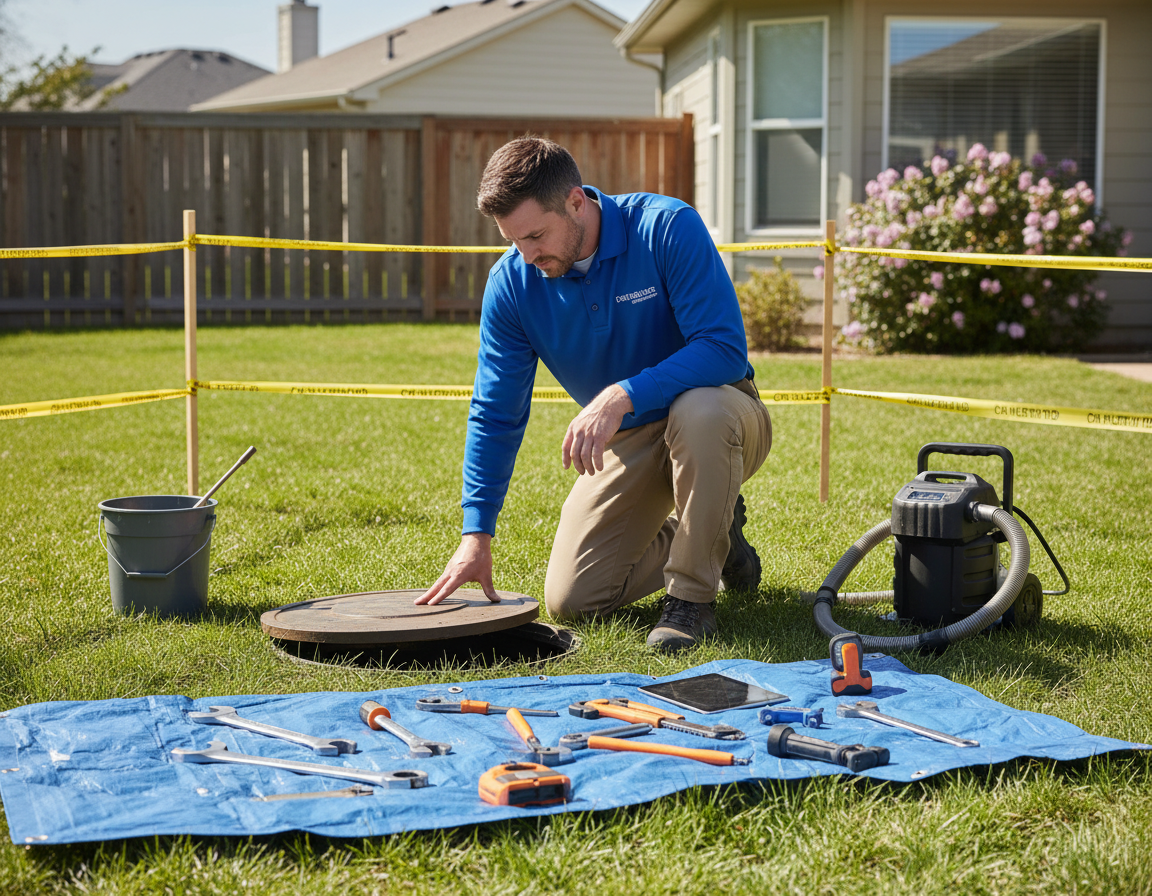
Understanding Your Septic System: The Basics Of How It Works
The mechanics of an on-site sewage disposal unit involve a simple yet effective two-stage purification method. This self-contained treatment plant handles all water departing a home. It relies on gravity and biological processes.
Two core components work together daily. A primary settlement chamber holds incoming flow. A subsurface dispersal area completes the treatment.
The Septic Tank: Nature’s Settling Pond
Every drop from household drains enters this buried container. This includes flow from toilets, showers, sinks, and appliances. The unit is typically made of concrete, fiberglass, or plastic.
Inside, gravity performs the first critical separation. Heavy organic matter sinks to the bottom, forming a layer called sludge. Oils, fats, and grease float upward, creating a scum layer.
The relatively clear liquid, known as effluent, remains in the middle zone. Special fittings called baffles or tees are installed at the inlet and outlet. These devices prevent floating scum and settled sludge from leaving the container.
Naturally existing anaerobic bacteria work to partially break down the solid waste. This biological action reduces the volume of accumulated material. However, this decomposition process is incomplete.
A residual layer of inorganic solids remains and accumulates over time. This is why periodic removal of these contents is an essential part of system care. Without this service, solids can eventually escape into the next stage.
| Element | Primary Role | Primary Process | What It Processes |
|---|---|---|---|
| Septic Tank | Primary Separation & Settlement | Gravitational settling, anaerobic digestion | Raw sewage from household drains |
| Dispersal Field | Final Treatment & Dispersal | Filtration through soil, aerobic treatment | Clarified effluent leaving the tank |
| Inlet/Outlet Baffles | Flow Guidance & Separation | Directs liquid, blocks solids | Prevents sludge and scum from moving onward |
| Perforated Pipes | Effluent Dispersal | Uniform liquid distribution | Delivers effluent to soil |
| Soil & Gravel | Natural Treatment Filter | Pathogen reduction, nutrient processing | Further treats effluent before groundwater |
The Drainfield: The Final Filter
The clarified liquid effluent flows from the settlement tank into a network of underground pipes. These distribution lines are perforated to allow slow seepage. They are buried in gravel-filled trenches within a designated soil area.
This subsurface zone is the system’s final treatment component. The effluent slowly trickles out through the pipe holes. It then percolates downward through the gravel and into the native soil.
The soil acts as a remarkable natural bio-filter. It removes harmful pathogens, viruses, and excess nutrients. This purification process relies on aerobic bacteria and physical filtration.
Proper function requires a careful balance. The primary chamber must retain solids for sufficient time. The soil in the dispersal area must remain unsaturated to absorb the liquid.
Excess water or solids can overwhelm the process and trigger failure. Untreated wastewater might then surface in the yard or back up into the home. Protecting this delicate filtration area is a primary goal of responsible system ownership.
Understanding this two-stage process clarifies why scheduled servicing is non-negotiable. Regular attention prevents solids from overwhelming and clogging the soil treatment zone. This proactive approach safeguards the entire setup’s long-term function.
How Often Should You Pump Your Septic Tank? The Definitive Guide
Many property owners wonder about the ideal frequency for this crucial underground maintenance task. There is no universal answer that applies to every home.
The service interval depends on a unique combination of factors specific to your property. Creating a personalized schedule is the only reliable approach.
General advice commonly suggests a three to five year interval. This is merely a starting point for consideration.
Your actual needs could be more or less frequent. Understanding the key variables provides clarity for better planning.
Key Factors That Set Your Schedule
Several elements work together to define how often you need this service. The calculation is dynamic, changing with household habits.
Four main considerations drive the timeline. Professionals evaluate all of them during an inspection.
The volume of solids entering the wastewater setup is critical. Garbage disposals significantly increase this load.
The overall condition and age of your infrastructure also matters. Older components may require more vigilant care.
| Consideration | Impact on Service Frequency | Example |
|---|---|---|
| Household Size | More people create more wastewater and solids, usually requiring more frequent service | A family of six typically needs to pump septic tank more often than a couple |
| Tank Size | Larger tanks hold more volume and can operate longer between necessary emptying | A 1,500-gallon unit allows more time between services than a 1,000-gallon model |
| Total Water Use | High water flow from laundry, long showers, or leaks fills the chamber faster, reducing treatment time | High-efficiency fixtures can help extend the interval between needing the tank pumped |
| Age & Condition | Older systems, particularly over 20 years, may show wear that warrants more frequent checks and service | A well-cared-for older system may perform well, while a neglected newer one can fail early |
Home Size And Water Usage
The number of people in your home directly influences wastewater production. A larger family creates a greater daily load.
This increased volume means the primary component fills more quickly. The treatment process has less time to work effectively.
Heavy water use magnifies this effect. Frequent laundry loads, long showers, and running toilets are common culprits.
Every gallon entering the drain must exit through the soil. Excessive flow can push solids out before they settle properly.
Saving water is one of the strongest ways to protect your setup. It directly extends the time between required services.
System Size And Age
The physical capacity of your primary treatment chamber is paramount. It determines how much material it can hold before needing attention.
A 1,000-gallon tank for four people will fill sooner than a 1,500-gallon model. Knowing your system’s size is essential for planning.
The age of your entire setup plays a significant role. Components like baffles can deteriorate over decades.
Older systems often perform less efficiently than newer installations. They often benefit from more vigilant inspection schedules.
Even a well-built system changes over time. The soil in the drainfield can become compacted or clogged.
The Environmental Protection Agency recommends an annual inspection by a qualified professional. This check includes measuring the sludge and scum layers inside the chamber.
A widely used rule is: when sludge depth hits one-third of the liquid depth, schedule service. This measurement provides a data-driven answer.
Experts like Septic Services of LA perform these inspections. They can provide a precise, personalized recommendation for when you next need to pump septic.
Maintaining detailed records of every service event is recommended. Note the date, sludge depth measured, and the company’s observations.
This history creates a reliable pattern for your home. It transforms guesswork into an data-informed, proactive care plan.
Top Warning Signs You Need Septic Tank Pump Maintenance Immediately
Strong warning signs often show up before a complete breakdown occurs. Recognizing these symptoms early makes the difference between routine service and emergency situations.
Homeowners who understand these distress signals can take prompt action. This prevents minor issues from escalating into major property damage.
Your home’s underground system shows warning signs through physical symptoms. These signs indicate that the primary settling chamber requires immediate attention.
Overlooking these warnings can lead to backups, contamination, and expensive repairs. Professional assessment provides the definitive answer about required service.
Slow Drains And Indoor Backups
Several slow drains around the house are a key distress signal. When sinks, showers, and toilets all drain sluggishly, the cause is often systemic.
This occurs because solids have accumulated beyond capacity. They begin to clog the inlet or outlet pipes of the primary treatment chamber.
Complete backups signal an urgent situation. Wastewater returning through drains indicates immediate intervention is necessary.
These indoor signs should never be written off as ordinary clogs. They frequently point to a full settlement unit that needs professional emptying.
Unpleasant Smells And Lush Grass Outside
Foul smells near the treatment area or inside the home signal escaping gases. These odors often resemble rotten eggs or raw sewage.
This can happen when a full chamber or blocked vent pushes gases to find other escape routes. The problem typically worsens over time without service.
On the other hand, unusually green grass over the drainfield signals trouble. This patch appears greener and lusher than the surrounding yard.
Escaping wastewater acts as a potent fertilizer for vegetation. This unnatural growth suggests the soil absorption area is receiving untreated effluent.
Gurgling Sounds And Standing Water
Gurgling noises from plumbing fixtures indicate trapped air in the pipes. This happens when blockages alter normal water flow patterns.
Toilets that bubble when a sink drains are clear distress signals. The sounds suggest the system is struggling to process incoming flow.
Standing water or soggy soil above the drainfield is a serious concern. This is especially true during dry weather conditions.
If effluent rises to the surface because it can’t percolate into the soil, the absorption area may be failing. This often results from an overloaded primary treatment chamber.
| Red Flag | Location | Common Cause | Required Action |
|---|---|---|---|
| Slow Drains/Backups | Inside Home (Multiple Fixtures) | Full chamber; solids blocking pipes | Prompt professional inspection; likely needs to be emptied |
| Sewage Odors | Outside Near The System Or Indoors | Escaping gases from full chamber or blocked vent | Prompt assessment; vent cleaning or service |
| Lush Grass Patch | On The Drainfield Area | Leaking effluent acting like fertilizer | Professional diagnosis; may suggest absorption area issues |
| Gurgling Noises | Plumbing Lines And Toilets | Trapped air caused by restricted flow or blockages | Investigate system capacity; check for needed service |
| Pooling Water/Soggy Soil | Over The Drainfield (During Dry Weather) | Effluent surfacing; soil saturation or failure | Emergency action needed; likely needs immediate service |
Collectively, these symptoms suggest the system is overwhelmed. The situation will deteriorate without professional intervention.
Putting it off risks raw sewage backups into the home. It can also cause permanent damage to the soil absorption area.
At the first sign of trouble, contact experienced professionals. Septic Services of LA provides prompt diagnosis and necessary service.
Their licensed technicians can determine if your system needs to be pumped. They also identify any additional repairs that might be required.
A fast response protects property value and family health. It transforms potential emergencies into manageable service appointments.
What To Expect During A Professional Pumping Service
A professional service visit for your home’s underground system is a organized, multi-step operation. Understanding this process makes it clearer and highlights why expert handling is crucial.
Companies like Septic Services of LA follow careful protocols. This ensures the job is done safely, thoroughly, and in compliance with all local regulations.
The service begins with locating the primary treatment chamber and its access ports. Technicians use probes or reference property records to find the lid.
If the covers are buried, they carefully excavate the area. Installing risers during this visit can prevent future digging, making subsequent service much easier.
Before any emptying begins, a brief inspection is standard. The technician checks the inlet and outlet baffles for damage.
They also examine the chamber walls for cracks or signs of structural compromise. This initial check helps identify any issues beyond just being full.
The core task involves inserting a large hose into the chamber. A powerful vacuum truck then evacuates all accumulated contents.
This removes the sludge, scum, and liquid effluent. All waste is transported to an approved treatment facility for proper disposal.
The duration of pumping depends directly on the chamber’s size and how full it is. A standard 1,000-gallon unit typically takes 20 to 30 minutes to pump.
Larger systems will naturally require more time. The technician monitors the process to ensure complete evacuation.
A proper service doesn’t stop when the vacuum does. The interior is often lightly rinsed with water to help break up any remaining solids.
The empty chamber is inspected again for a clearer view. The drainfield area is also checked for signs of saturation or backup.
This is an ideal moment to discuss an outlet effluent filter. This device provides an extra layer of protection by catching small solids before they reach the drainfield.
| Step | Professional Service (e.g., Septic Services of LA) | Do-It-Yourself Attempt |
|---|---|---|
| Safety And Compliance | Handles lethal toxic gases; follows OSHA and local disposal regulations | High exposure risk to methane and hydrogen sulfide; improper disposal is illegal |
| Tools | Uses commercial vacuum trucks and hoses for full evacuation | Limited equipment; commonly results in incomplete removal |
| Diagnosis & Inspection | Includes pre- and post-pump inspections of components and drainfield | Focuses only on removal; misses critical signs of damage or failure |
| Time And Efficiency | Efficient process; expected time is predictable by size | Very time-consuming; manual work is intensive and messy |
| Long-Term Health | Offers expert advice (e.g., filter installation) and records for future reference | No expert guidance; risk of damage from improper technique |
Homeowners should get ready for the appointment. Clear access to the area is essential for the technician.
Being available to ask questions is valuable, but safety is paramount. You must maintain a safe distance from the open chamber due to the immediate danger of toxic fumes.
Professional providers document each step. They provide records of when your septic tank was pumped and any observations about its condition.
These records are critical for scheduling future care and protecting your property’s value. Knowing what to expect turns a necessary service into a smooth, educational experience.
Your Proactive Septic System Care Checklist
A proactive care plan includes more than professional service; it also involves everyday household habits. Daily actions have a direct impact on the longevity and reliability of your property’s wastewater infrastructure.
This checklist offers practical strategies for homeowners. Adopting these practices is a core part of effective system maintenance.
Consistent attention reduces the frequency of major maintenance tasks. It also safeguards the most expensive component, the drainfield.
Water Conservation Tactics
Reducing water use is the strongest move a household can make. Excessive flow overwhelms the treatment process.
It may force solids through before proper settling occurs. Here are key conservation steps:
- Fix leaks immediately: A running toilet can waste hundreds of gallons daily.
- Upgrade to efficient fixtures: Low-flow showerheads and faucets cut water use without sacrificing performance.
- Spread out water-heavy loads: Avoid running multiple laundry or dishwasher cycles back-to-back.
- Divert runoff: Ensure roof gutters and surface drainage flow away from the drainfield area.
These steps give the system time to treat wastewater effectively. They are simple but have a major effect.
Careful Flushing And Draining Habits
Everything sent down a drain reaches the treatment system. The toilet is not a trash can.
Only human waste and toilet paper belong in the toilet. Other items cause blockages and increase solids accumulation.
Never send these items down the toilet:
- Wipes (even “flushable” ones)
- Feminine hygiene items
- Cotton swabs, dental floss, or hair
- Medications or chemicals
In the kitchen, avoid pouring fats, oils, and grease down the drain. They solidify and cause clogs.
Limit use of the garbage disposal as well. This appliance significantly increases the solid waste load. Composting food scraps is a better disposal method.
Protecting The Drainfield Area
The drainfield is the system’s final and most vulnerable filter. Protecting this field is critical for long-term system maintenance.
Soil compaction and root intrusion are the biggest threats. Both can destroy the underground pipes and soil structure.
Essential protection guidelines:
- No cars or heavy structures: Never drive, park, or build sheds or patios over the drainfield.
- Stick to grass only: Trees and shrubs with deep roots can infiltrate and clog pipes. Keep the yard over the field free of deep-rooted plants.
- Avoid soil compaction: A grass cover helps prevent erosion and supports necessary evaporation.
You should make sure the area remains unobstructed. This allows the soil to breathe and treat effluent properly.
| Homeowner Habit | Best-Practice Approach | Neglectful Approach | Impact on System Life |
|---|---|---|---|
| Water Control | Fixes leaks, uses efficient fixtures, spaces out laundry | Overlooks running toilets and runs many laundry loads in one day | Extends the interval between services and protects the drainfield |
| Disposal Habits | Flushes only waste and toilet paper, avoids grease, and uses the disposal sparingly | Treats the toilet like a trash can, pours oils down drains, and relies on the disposal | Prevents clogs and solids overload; reduces failure risk |
| Field Care | Keeps the area clear, plants only grass, and prevents traffic | Parks vehicles on it, plants trees nearby, and compacts soil | Safeguards the costliest component; extends functional life by decades |
| Cleaner Use | Uses septic-safe cleaners sparingly and avoids antibacterial soaps | Pours harsh chemicals, paint, or medications into drains | Protects bacterial balance; reduces treatment failure |
Sticking to this checklist reduces stress on the system. It helps make sure your household runs smoothly.
These daily maintenance tasks support the work of professionals. Together, they ensure a long functional life for your home’s essential infrastructure.
Septic System Do’s And Don’ts For Homeowners
Learning a few basic practices can mean the difference between reliable operation and costly failures. This guide distills essential wisdom into clear, actionable rules. Following these principles prevents common mistakes and promotes best practices for long-term care.
Following these guidelines helps prevent costly repairs and environmental problems. They form the foundation of responsible homeownership for properties with onsite wastewater treatment.
Do: Pump On Schedule, Inspect Annually, And Save Water
Plan professional service every three to five years based on actual need. Do not rely solely on calendar dates. A qualified technician should measure sludge levels annually to determine the right timing.
Companies like Septic Services of LA provide these inspections. They check the integrity of all components during their visit. This proactive approach identifies potential problems before they cause damage.
Saving water directly protects your infrastructure. Fix leaking faucets and running toilets immediately. Install low-flow showerheads and efficient washing machines.
Spread out water-intensive activities like laundry loads. Avoid doing multiple loads back-to-back. This prevents hydraulic overload of the treatment area.
Maintain detailed records of all service visits and inspections. Document the dates, findings, and any work performed. This history is invaluable for troubleshooting and adds value to your property.
Don’t: Flush Harsh Chemicals Or Overload The System
Do not use toilets or sinks as a dumping point for hazardous materials. Chemicals, paints, motor oil, and medications kill essential bacteria. These substances can also contaminate groundwater supplies.
Avoid flushing any solid items besides toilet paper. This includes wipes, paper towels, and feminine hygiene products. These materials do not break down and cause blockages.
Commercial additives are often ineffective and can be harmful. Most products marketed as treatments provide little benefit. Some can actually damage the soil in the dispersal field.
Never drive or park vehicles on the drainfield area. This compacts the soil and crushes underground pipes. Also avoid planting trees near this zone as roots can infiltrate and clog the system.
Be mindful of what enters through kitchen drains. Limit use of garbage disposal units as they significantly increase solids. Never pour cooking oils or grease down the sink.
| Topic | Essential Do’s | Critical Don’ts | Primary Benefit |
|---|---|---|---|
| Service Timing | Pump every 3-5 years based on inspection; have annual professional check | Ignore inspection recommendations; delay necessary service | Prevents solids overflow and drainfield failure |
| Water Management | Conserve water; fix leaks; space out laundry loads | Create overload with back-to-back heavy water use; drain pools/hot tubs into the system | Helps maintain treatment time and hydraulic balance |
| Waste Handling | Flush only waste and toilet paper; compost food scraps | Treat toilet as a trash can; pour grease/oils; rely on the garbage disposal | Reduces solids accumulation and prevents clogs |
| Chemicals | Use septic-safe cleaners sparingly and carefully | Flush medications, paint, harsh chemicals, or antibacterial products | Preserves essential bacterial balance for treatment |
| Drainfield Care | Keep it clear, plant only grass, and route surface water away | Drive/park, build, or plant trees/shrubs | Protects soil and underground distribution pipes |
| Record Keeping | Maintain detailed records of every service and repair | Fail to track service history and system details | Improves planning and supports property value |
Following these fundamental rules ensures a functional, long-lasting wastewater treatment setup. They help avoid emergency situations that require costly repairs. Consistent adherence to these practices represents smart home management.
These guidelines work together to protect your investment and local environment. They provide a straightforward path to trouble-free operation for many years. Implementing them requires minimal effort but delivers maximum protection.
The Effect Of Household Appliances On Your Septic Tank
The appliances that make daily life easier may quietly undermine the efficiency of your home’s underground infrastructure. Common devices add significant strain to residential wastewater treatment.
Understanding their effects allows for informed usage and better planning. This knowledge helps preserve the balance of your entire setup.
Convenience may create hidden costs for on-site wastewater systems. Three appliances require particular attention from homeowners.
Garbage Disposals: A Frequent Challenge
Kitchen sink grinders convert food waste into small particles. These particles do not decompose quickly in the treatment chamber.
Using this appliance dramatically increases the amount of solids entering the system. It can double the rate of sludge accumulation.
Households with disposals may need to schedule pumping roughly twice as often. Some local jurisdictions even require larger drainfields when one is installed.
Practical alternatives exist for managing food waste. Consider these approaches:
- Compost scraps: Make nutrient-rich compost rather than sending waste down the drain.
- Use the disposal sparingly: Reserve it for occasional use rather than daily reliance.
- Update your service schedule: Work with a professional to set the right frequency for your needs.
Staying on top of your schedule becomes essential. Regular inspections help track the accelerated accumulation.
Water Softeners And Backwash Discharge
Water treatment devices regenerate by flushing brine solution down drains. This process sends hundreds of gallons of salty water through the system at once.
That sudden volume can stir settled contents in the primary chamber. Salt may also inhibit bacterial action essential for breaking down waste.
This disruption affects the delicate treatment process. The backwash cycle represents a significant hydraulic event.
Homeowners should consider these management strategies:
- Consult a qualified plumber: Look into routing backwash to a dry well or another outlet.
- Schedule regeneration: Schedule cycles during low household water use periods if diversion isn’t possible.
- Monitor system performance: Monitor for any disruption after regeneration cycles.
Routing brine properly helps protect long-term performance. It prevents unnecessary stress on biological processes.
Hot Tubs And Whirlpools: Big Loads
Relaxation amenities hold substantial water volumes, typically 200 to 500 gallons. Draining this amount in one event can overwhelm residential treatment capacity.
A large influx can overload the system hydraulically. It stirs up settled solids and pushes them toward the drainfield.
Treated water introduces additional concerns. Chlorine and other additives can harm essential bacteria.
Follow these guidelines for safe drainage:
- Allow water to cool: Allow it to reach ambient temperature prior to draining.
- Drain slowly onto turf: Select turf far from the system and drainfield and drain it slowly.
- Do not connect directly to the system: Never route drainage into household wastewater plumbing.
- Consider gradual release: Drain across multiple days when possible to lessen impact.
This practice prevents potential clogging and failure of the soil absorption area. It protects your most valuable treatment component.
| Appliance | Primary Impact | Risk | Best Practice |
|---|---|---|---|
| Food Waste Disposal | Doubles solids accumulation; increases sludge formation rate | High (often needs more frequent service) | Compost food waste; update pumping schedule; use sparingly |
| Water Softener | Large brine discharge disturbs settling; can harm bacteria | Medium-High | Redirect backwash; time regeneration; monitor the system |
| Whirlpool/Hot Tub | Hydraulic overload; chemical impact; disturbed solids | High (potential drainfield damage) | Drain onto turf away from the system, cool first, and drain slowly |
Managing these appliances wisely preserves system balance and longevity. Each requires specific consideration within your overall home care plan.
Informed usage decisions prevent unnecessary damage and extend functional life. Partner with professionals to develop strategies tailored to your household’s patterns.
Partnering With Professionals: The Value Of Expert Service And Documentation
To protect property long-term, homeowners should prioritize professional help over DIY attempts. Effective care for underground wastewater infrastructure relies on specialized knowledge and equipment.
Trying to inspect or empty the system without training is risky. Toxic gases and confined spaces create hazardous conditions that require professional handling.
Licensed experts like Septic Services of LA bring essential qualifications to every job. They understand local regulations and safety protocols that govern this work.
A comprehensive professional service delivers more than basic waste removal. Technicians perform thorough inspections of all critical components during their visit.
They inspect the primary chamber and its internal fittings for integrity. The condition of the dispersal field receives careful evaluation as well.
This diagnostic process flags potential problems early. It transforms routine maintenance into proactive system management.
Careful record-keeping is another crucial part of a professional partnership. Detailed documentation creates a valuable history for your property’s infrastructure.
Your records file should contain several key elements. These provide comprehensive insight into your system’s health and care history.
- A sketch showing the location of all components
- Dates and details for each professional service visit
- Sludge and scum measurements from inspections
- Documentation of all repairs and modifications
- Permits and system design plan copies
These records serve several important purposes. It establishes patterns that help predict future maintenance needs accurately.
When selling, documented care demonstrates responsible ownership. Buyers and inspectors appreciate verifiable system history.
When new technicians service your property, complete records save time. They provide immediate context about your infrastructure’s unique characteristics.
| Aspect of Care | Professional Approach | Amateur/DIY Approach | Long-Term Outcome |
|---|---|---|---|
| Safety Compliance And Handling | Follows OSHA standards; handles toxic gases with proper equipment | High risk of exposure to methane and hydrogen sulfide gases | Reduced liability exposure; avoided health emergencies |
| Service Thoroughness | Full evacuation with commercial vacuum equipment; includes inspection | Incomplete removal; early damage signs may be missed | Prevents solids overflow; extends drainfield lifespan significantly |
| Diagnosis Value | Includes inspection of baffles, walls, and drainfield plus sludge measurement | Only removes contents; developing issues are missed | Early problem detection reduces repair costs by up to 80% |
| Record Detail | Supplies detailed reports including measurements and observations | Little documentation; depends on memory | Creates verifiable history that supports property value |
| Regulatory Knowledge | Understands local requirements for disposal and systems | May violate regulations through improper waste handling | Reduces fines/legal risk and supports compliance |
| Cost Control | Prevents big failures via early intervention | Often results in expensive emergency repairs as issues worsen | Saves thousands by avoiding replacement costs over the system’s life |
Having a trusted provider relationship offers ongoing benefits. Consistent care from the same experts creates familiarity with your specific setup.
Your service provider becomes a trusted resource for questions and guidance. They can offer tailored advice based on your household’s unique patterns.
This kind of partnership offers homeowners peace of mind. Knowing your infrastructure receives proper care reduces stress about potential failures.
Investing in professional service protects your bigger property investment. Preventing catastrophic failures saves substantial money over time.
Replacing a failed dispersal field can cost tens of thousands of dollars. Regular professional attention represents a modest preventive measure by comparison.
This guide underscores that expert partnership is central to responsible ownership. It transforms necessary maintenance tasks into strategic property protection.
Homeowners should make sure they hire qualified, licensed professionals for wastewater system needs. Verifying credentials and experience ensures quality work.
Keep notes on every service interaction. Keep records organized and accessible for future reference.
This systematic approach to system maintenance delivers reliable performance for decades. It represents smart management of essential home infrastructure.
Protecting Your Home’s Health And Value For The Long Term
Responsible stewardship of your property’s wastewater infrastructure delivers lasting benefits across multiple dimensions. This commitment protects your family’s well-being and preserves your home’s market value for decades.
Consistent, professional care prevents costly emergencies and environmental harm. It transforms potential worries into scheduled, manageable home upkeep. Companies like Septic Services of LA provide the expertise needed for this vital task.
Investing in proper care helps protect against major repairs. It also creates a documented history that supports your property’s appeal. This proactive approach is the definitive strategy for long-term security.
Ultimately, protecting this key home component is a smart ownership move. It ensures health, financial stability, and environmental responsibility for years to come.
Frequently Asked Questions
How Do I Tell If My Septic System Needs Pumping?
Several clear signs indicate a full system. Indoors, look for slow sinks, backed-up toilets, or gurgling from pipes. Outside, watch for sewage smells, unusually green grass over the drainfield, or water pooling in the yard. These symptoms suggest the tank is full and requires immediate professional attention.
What Does A Standard Residential Pumping Service Typically Cost?
For a standard household unit, this service usually runs around $300 to $500. The final cost depends on your location, the tank’s capacity, and how easily the service provider can access the tank lids. Even though it costs money, regular service is much cheaper than major repairs from a failed system.
Can Using A Garbage Disposal Harm My Onsite Wastewater Treatment?
Yes, frequent disposal use can substantially increase solids in the tank. This accelerates sludge buildup, requiring more frequent pumping. To protect system longevity, use the disposal less and compost scraps. This mindful practice reduces strain and maintenance frequency.
What Household Items Should Never Be Flushed Or Poured Down Drains?
Do not flush non-biodegradable items such as wipes, feminine hygiene products, or dental floss. Never pour cooking grease, oil, harsh chemicals, paints, or medications down drains. These materials can clog pipes, disrupt the bacterial balance critical for waste breakdown, and contaminate groundwater.
How Can I Find My Tank And Drainfield If I Don’t Have A Property Diagram?
First, look for your home’s as-built records with the local health department. Visually, look for sewer pipe exits from the home’s foundation. The drainfield is often in a clear, level area of the yard. A professional installer can also use specialized tools to locate the components precisely for you.
Does A Pre-Purchase Home Inspection Include A Full Septic Evaluation?
A standard general inspection often includes only a visual check. For a comprehensive assessment, you must hire a licensed specialist for a full evaluation. This service includes opening the tank to measure sludge levels and inspecting the drainfield. This due diligence is crucial for understanding the asset’s condition and any potential liabilities.
Related: Read Online About Septic Pumping Mistakes That Result In Costly Overflows